

Research
Key research areas include urban park dynamics, therapeutic recreation interventions for cancer survivors, and parent perspectives on post secondary outcomes for students with developmental disabilities.

EXAMINing the ROLE OF URBAN PARKS
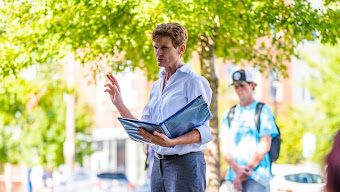
Dr. Benjamin Hickerson’s research explores the role of parks in communities. He uses the System for Observing Play and Recreation in Communities (SOPARC) to survey park users and nearby residents.
The study looks at the link between gentrification and park development in urban areas and explores ways to prevent negative impacts on communities.

Sensory/Decompression Lounge
The Sensory Decompression Lounge provides a calming space designed to support relaxation, decompression, and overall wellness. Faculty and staff are invited to use the room as a quiet retreat to recharge during the day.
The room is equipped with a variety of items such as lounge chairs for rest, adjustable lighting, a projector, a speaker for playing personalized music, white noise, or nature sounds, and an aromatherapy diffuser to create a calming atmosphere. In addition to individual use, the Sensory Room/Decompression Lounge also hosts engaging wellness activities such as aromatherapy, mindful movement, and meditation.

RECREATION INTERVENTIONS POST-CANCER DIAGNOSIS
This research focuses on health and aging, particularly how leisure activities like hiking and music help people with serious or terminal illnesses cope and maintain identity, improving quality of life and life course development.
Parent Perspectives on Outcomes for Students with Developmental Disabilities
The authorization of the Higher Education Opportunity Act (PL 110-315) in 2008 allowed for the propagation of programs designed to support individuals with Developmental Disabilities in accessing postsecondary education opportunities.
However, little is known about the outcomes. Studies are aimed at examining the desired and perceived outcomes of inclusive postsecondary education (IPSE) for individuals with intellectual and developmental disabilities from the perspective of their parents
the effectiveness of disability simulations in recreational therapy education
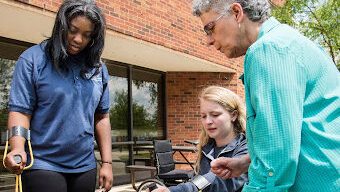
Dr. Wolfe’s research explores the effectiveness of disability simulations in recreational therapy education, the lived experiences of adults with developmental disabilities, and volunteering as a therapeutic intervention.